

Premodern 101: Introduction to the Premodern Format


Hello! I’m PieGonti, and I’ve been playing this format for quite a while now.
Whether I’m chatting with friends, streaming, or recording videos, the same questions always seem to come up. In this article, I'll address most of these questions to give you a head start into the format of Premodern!
1) Can I play with reprints in Premodern?
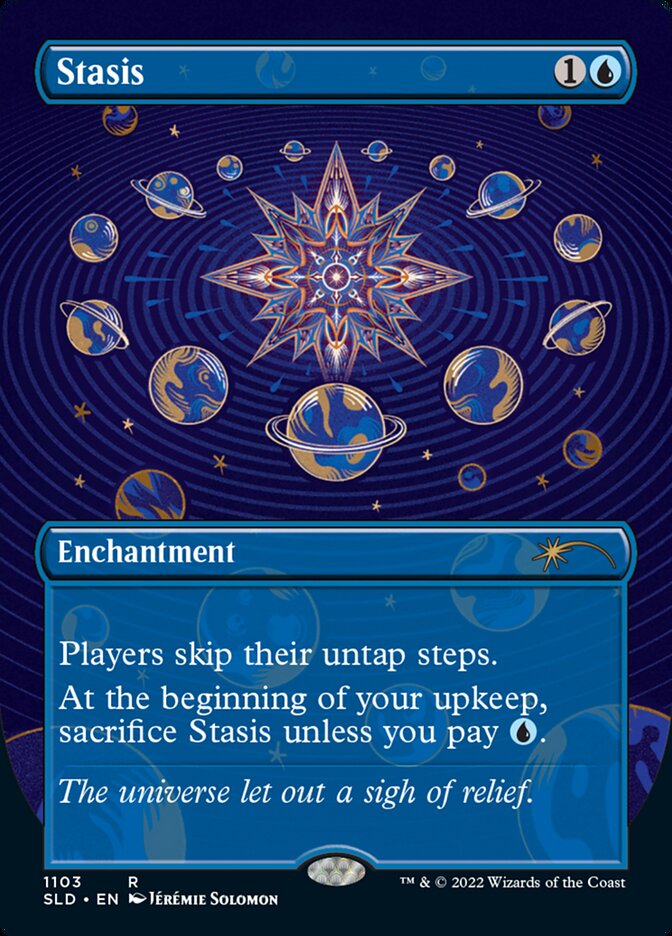
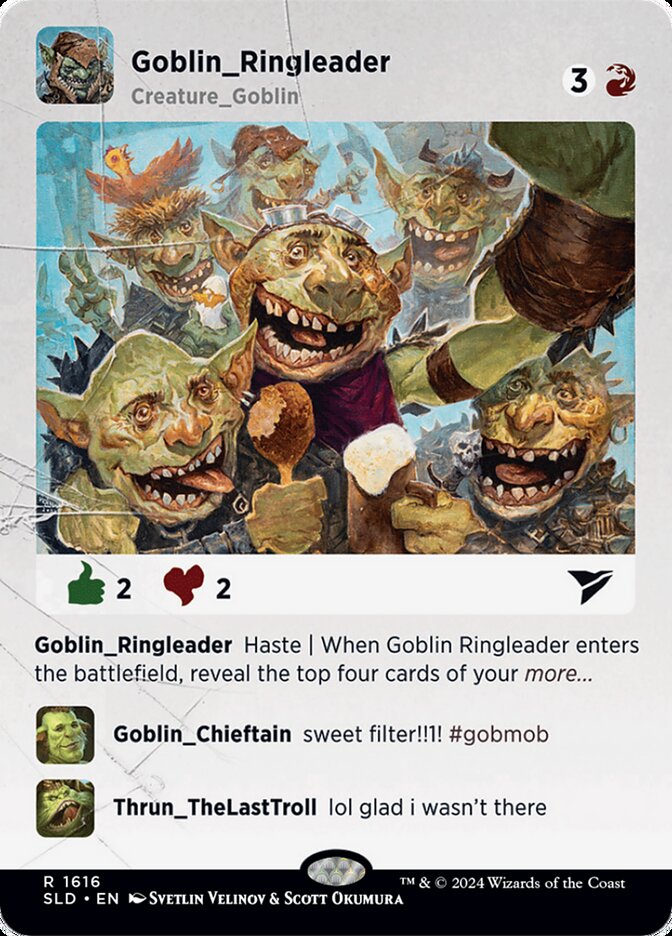
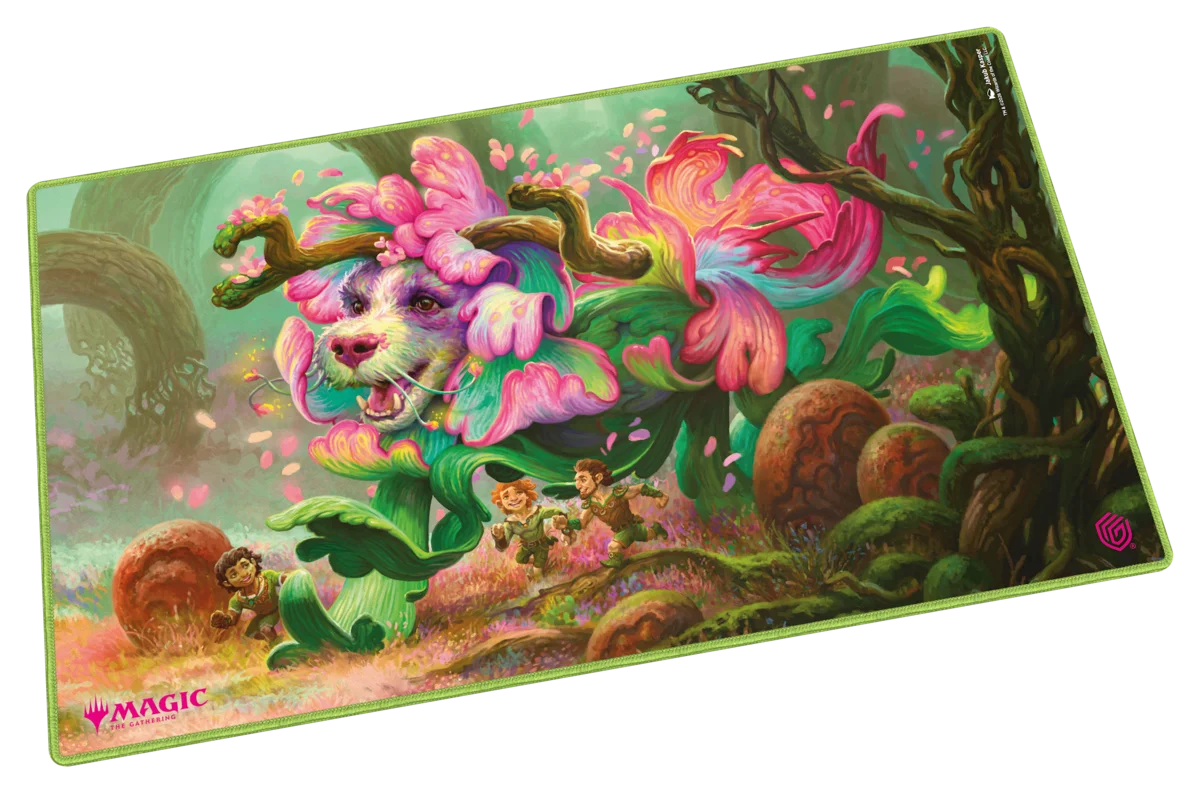
Yes! Unlike Old School, where using specific printings is a part of the format’s rules, in Premodern you’re free to play with any version of a card you own. If you like, you can even build a full Secret Lair Goblin deck, or go for something a bit more… controversial, like a Stasis deck.
That said, I personally recommend going for “old layout, first print” cards, I just love the original art and feel. But in the end, your style is up to you, or you can simply let your wallet decide!
2) Can I play with Gold-Bordered cards (WCD/IE/CE) in Premodern?
Read this carefully!
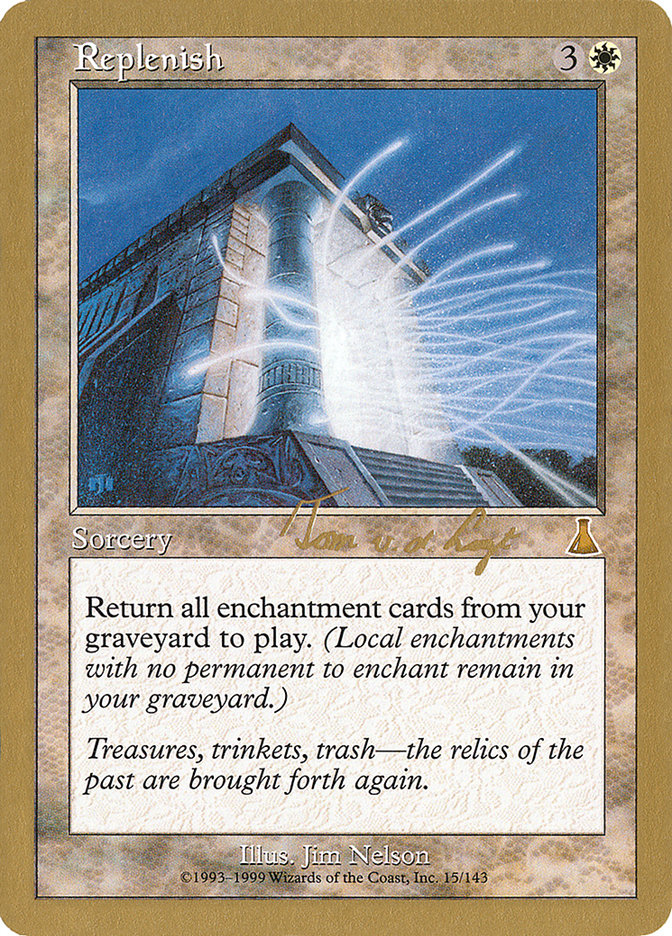
Gold-bordered cards are generally accepted in events that are not officially Wizards-sanctioned. This applies to both cards from World Championship Decks (WCD) and cards from the International Edition (IE) and Collector's Edition (CE), the latter two featuring the gold border on the back and non-rounded edges. This often means that if you're playing in a venue that isn't WPN Premium, such as a local MTG shop, the tournament organizer will likely allow them. However, always remember to ask in advance to avoid any issues later.
That said, gold-bordered cards are part of the tradition of the format, and some of the biggest events in the world, such as Nationals or LobsterCon, allow them. They are also generally appreciated by the community. Personally, I think they're great!
3) Is Premodern a pay-to-win format?
Please don’t take anything I say as financial advice.
The short answer is no. While it’s true that some strategies are stronger than others, success in Premodern isn’t determined by how much you spend. There are at least five or six competitive decks that are quite affordable, such as Goblins, Sligh, Madness, Dead Guy’s Ale, and Mono Blue Storm, and there are likely even more depending on your starting budget.
Another important point is that many of the more expensive Premodern cards are on the Reserved List. This means you’re not gambling on random pulls, but rather buying cards that should hold their value over time, or even increase, as we’ve recently seen with Gaea’s Cradle.
That said, if you want to make sure you can play any deck you like, you can always turn to Magic Online, where a full rental service costs around $40 per month and gives you access to all the cards.
4) Will Premodern ever be solved?
This question doesn’t really make sense. I understand that the format has a closed card pool and only certain sets are legal, but there are a couple of key points to consider. First, there is a ban list that helps keep the format in check. Second, there are always players and brewers who either want to play what they enjoy or experiment with new ideas and card choices. As Sam Black once said, the format is great because, unlike most formats played today, the threats are weaker than the answers.
Swords to Plowshares removes a creature at a positive mana trade almost every time. Counterspell does something similar, if not even better. Even the strongest creature in the format, Phyrexian Dreadnought, has a huge target on its head. Since it’s an artifact, it can easily be answered by cards like Disenchant or Naturalize, which are often played in the main deck.
- Are you worried about discard? There’s Compost.
- Worried about burn? You have Circle of Protection, Warmth, Sphere…
- Worried about counters? You have Xantid Swarm and City of Solitude.
- Worried about lands? There’s Wasteland and Rishadan Port, and if you don’t like those, you can play Tsabo’s Web.
You can build a strong deck around the cards you like, and often have access to solid answers against whatever strategy gives you trouble. The format is full of powerful tools to fight almost anything.
So the real question should be: "Will we ever get tired of Premodern?" Maybe. Not for now. I don’t really care about the rest!
5) Where to play Premodern online: MTGO
Premodern on Magic Online is a slightly different environment and shouldn’t be taken as the ultimate truth about the format.
On MTGO, players tend to prefer fast decks that can rack up wins quickly, which is why archetypes like Stiflenought and Burn are more popular than others. Another common trend is that many players copy the deck that won the previous week’s event without making changes. As a result, a portion of the player base is only exposed to a limited slice of what Premodern has to offer, yet they can still succeed because they’re mostly facing others in the same situation, all playing what you could call the "MTGO winner’s metagame."
This also helps explain why Moneyball Black often performs well in challenges, as it has strong matchups against blue decks and Stiflenought.
It’s also worth noting that some decks are difficult or even impossible to play on MTGO, such as Life or Aluren. This further contributes to a metagame that looks quite different from what you see in paper tournaments. Paper Premodern is much more nuanced and diverse, and it’s rare to see three copies of the same deck making the Top 8 of an event.
On the bright side, MTGO is still a great place for experimentation. As mentioned earlier, many players use it to brew and test new ideas. In just the past couple of months, several archetypes have been developed and refined, and it’s likely that even more decks and innovations will emerge in the future.
Peculiar Rules and Interactions in Premodern
Morph
Morph is a special ability that does not use the stack. This means you can’t Stifle it or respond to a creature being turned face up with removal, because there is no window to do so.
Lifelink
Lifelink does not exist as a keyword in Premodern. Effects that say "gain life" are triggered abilities.
This means that if you attack with two Exalted Angels and your opponent is at four life with one Exalted Angel back to block, they will go to zero and lose the game before any life gain triggers resolve.
It also means that these triggers can be countered with cards like Stifle.
Humility
This card can be quite confusing for new players. In most situations, Humility "wins," meaning its effect is the one that applies. However, there are a couple of important corner cases to keep in mind.
Humility with manlands (commonly played in Standstill):
Humility makes all creatures 1/1s with no abilities. However, when you activate a land like Mishra’s Factory or Faerie Conclave, it gains new abilities after becoming a creature. This means it will have its own power and toughness setting effect and any relevant abilities from the activation.
Keep in mind, though, that it will no longer be able to tap for mana while it is a creature.
Humility with Opalescence (Standstill vs Enchantress/Replenish):
These cards interact through different layers.
- If Humility enters the battlefield after Opalescence, it will make all enchantments 1/1 creatures with no abilities.
- If Opalescence enters after Humility, then the enchantments will instead be creatures with power and toughness based on Opalescence, typically 4/4 or equal to the number of enchantments you control.
Old Goblins and Elves
Priest of Titania taps for mana equal to the number of Elves on the battlefield, including your opponent’s. The same principle applies to cards like Goblin King or Gempalm Incinerator.
This means, for example, that you can kill an opposing turn-one Goblin Lackey or even a Goblin Welder just by cycling Gempalm Incinerator, even if you don’t control any Goblins yourself.
Akroma hates Animate Dead
Reanimator isn’t one of the most popular archetypes, although I think it’s still quite solid.
A less obvious interaction is that you can’t target Akroma with Animate Dead. Even if you try, the enchantment will fall off once it enters the battlefield, because Akroma has protection from black.
This is something that actually cost me a game once, I chose to Duress the Animate Dead instead of Reanimate!
Hidden Gibbons and Standstill
Hidden Gibbons is one of the strongest tools green decks have against blue strategies. One of the key reasons is that it can’t be effectively targeted by Disenchant.
As soon as Disenchant is put on the stack, Hidden Gibbons triggers and becomes a 4/4 creature, losing its enchantment type. As a result, Disenchant no longer has a valid target and will fizzle.
Standstill works in a similar way. Whenever a player casts a spell, Standstill triggers. If you try to Stifle that trigger, Standstill will simply trigger again.
In Premodern, there’s no real way to stop this from happening, so you need to have a plan to deal with the card. Otherwise, your opponent is about to draw three cards, basically an Ancestral Recall.
Conclusion
Premodern is so fun also because you get to experience a lot of narrow and peculiar interactions that aren’t common in other formats. Playing with the stack, understanding each word of text on your cards, and solving the puzzle is often how you win.
I hope you appreciated the article, and if you have further questions or cool interactions to show, just dm me on socials: PieGonti