

Riftbound Starter Decks: Precons and How to Build Your First Deck


With every Riftbound set, which is about 3 months in between each, in addition to the main set booster boxes and other various supplemental products, you can find Precons - preconstructed decks created by the publisher for you to jump into the world of Riftbound immediately. While in the early months of the game the formula changed, for the last couple of sets it's been a Duel Deck style product that showcases two Legends from that given set going head to head.
For instance, alongside Radiance, we're getting Evelynn vs Seraphine Showdown Deck.
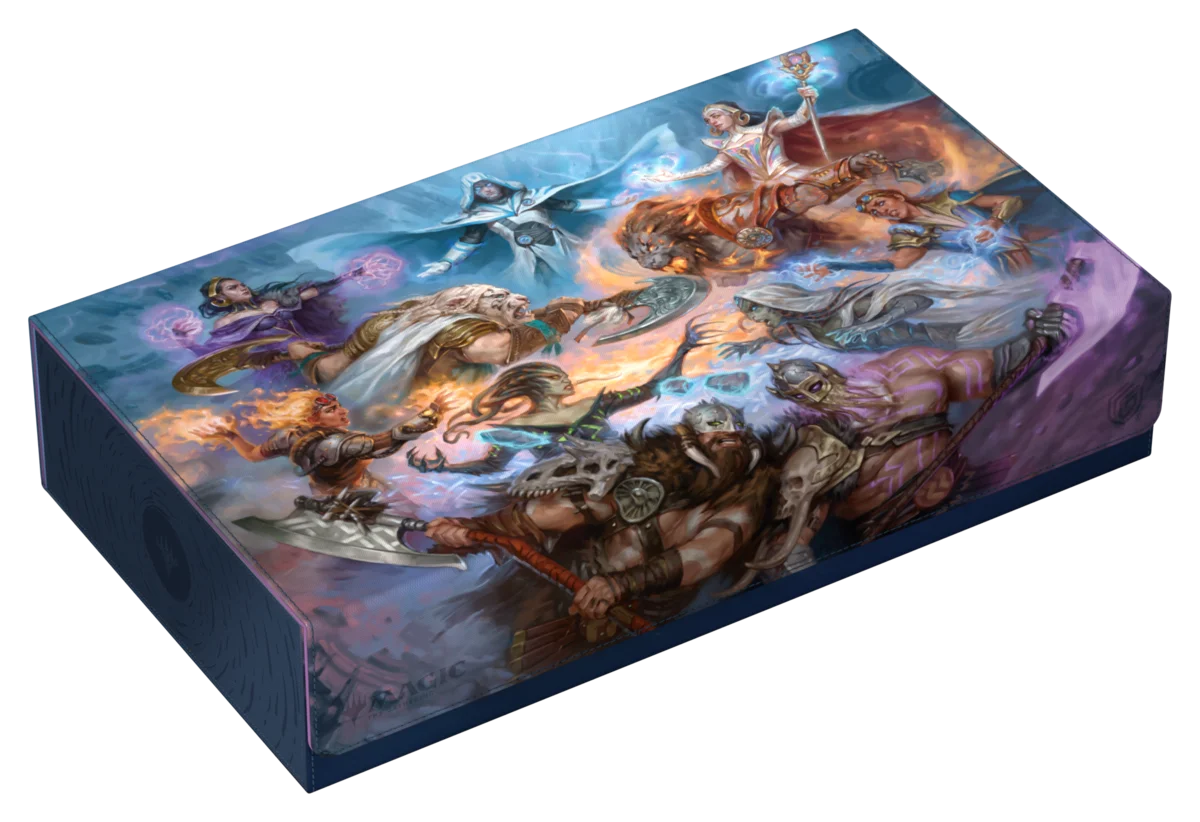
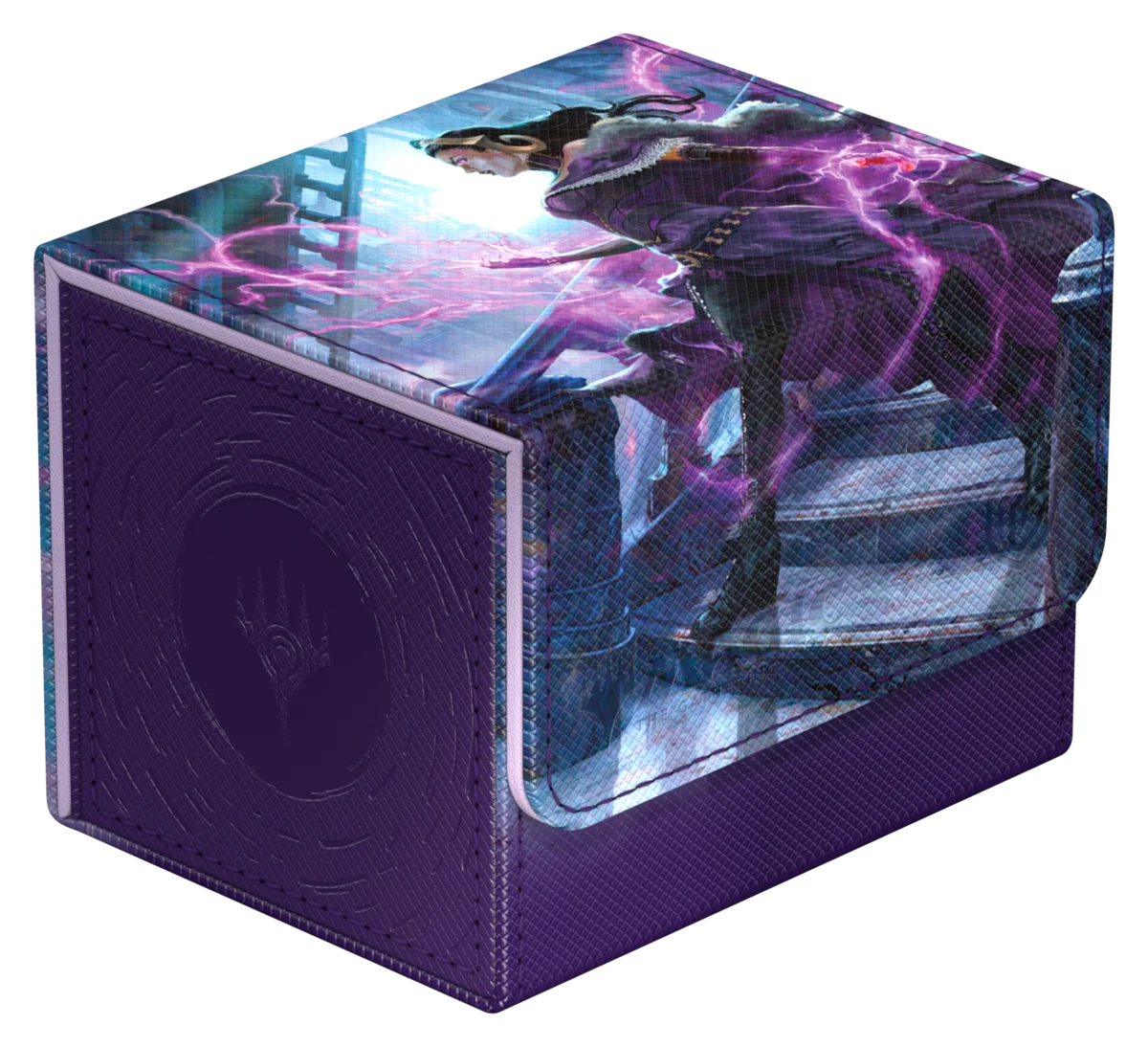
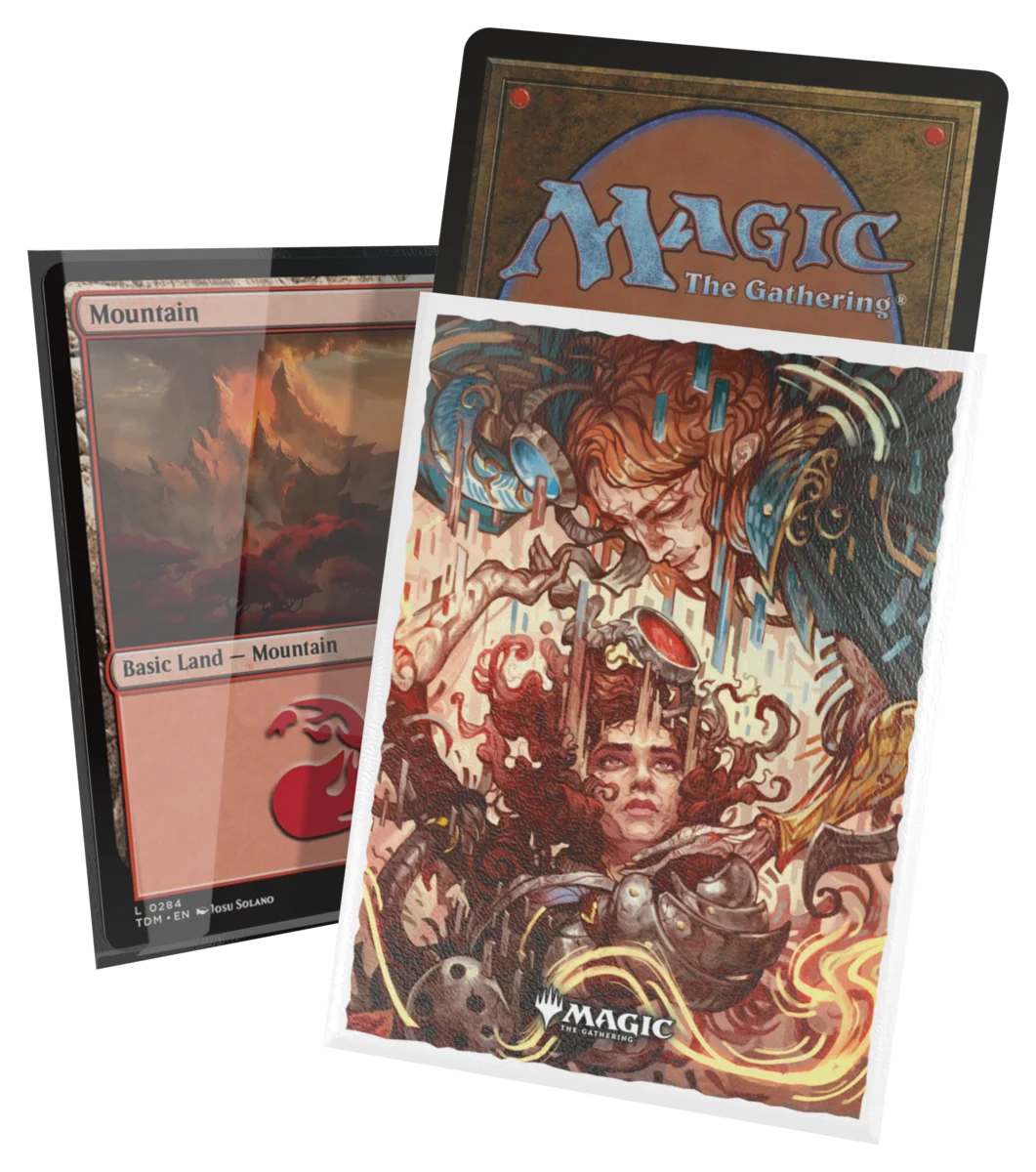
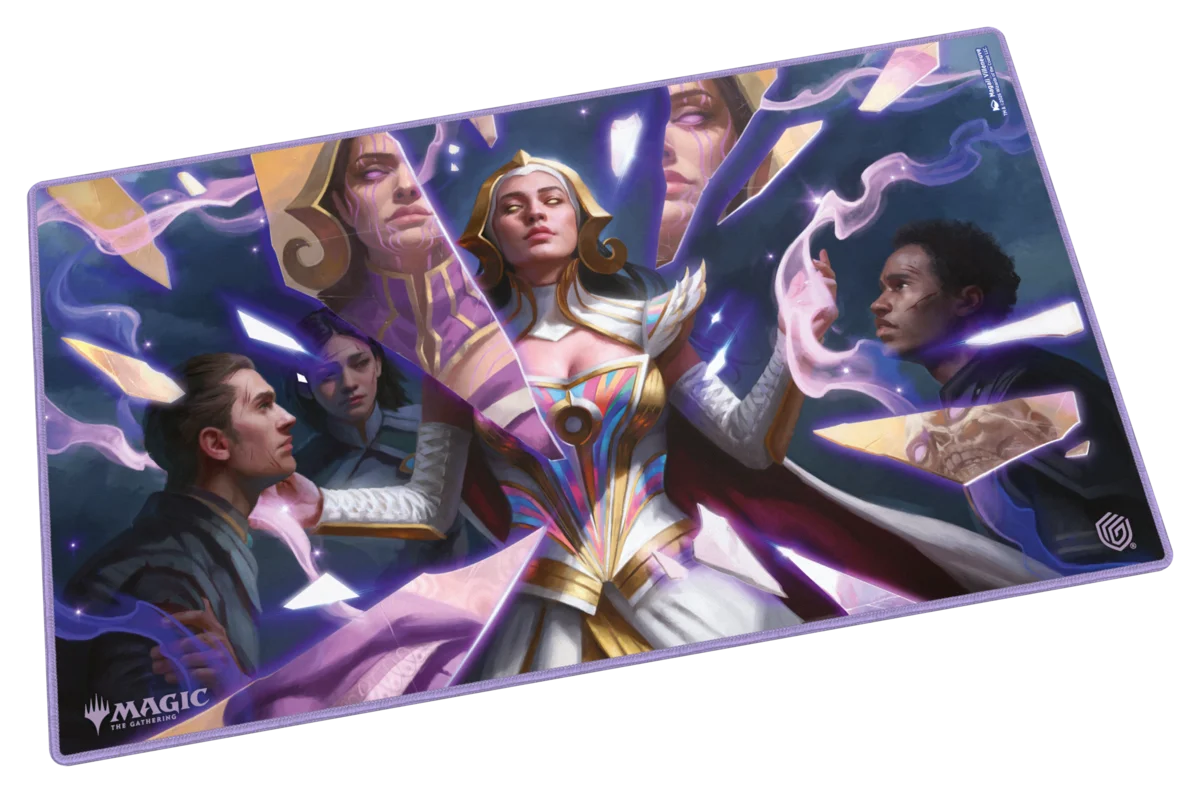

This product includes 2 separate decks *and* 2 Radiance boosters, alongside 2 foldable boxes and 2 paper playmats.
Each deck of 56 cards contains:
- 1 Legend
- 12 Runes
- 40 Maindeck cards, including the Champion
- 3 Battlefields
An important side note is that there is no sideboard included!
All in all, these are fully legal Standard decks that are meant to be played against each other. They are going to be pretty far from competitive viability, but that's not their purpose to begin with - these are introductory decks to be able to learn the mechanics of the game with your friend in a simple form right out of the box.
How to Build Your First Deck
You might want to build the first deck on your own, letting creativity flow through you. In that case, let's explore the first steps to building ones deck.
Finding the theme
First, you need a theme that guides your deck. This could be a single card you saw that you want to build around, a specific Legend whose mechanics fascinate you or you've always played in League of Legends, or a larger motif like `hidden cards` or `control deck with a lot of removal`. You need some starting point from which we're going to build.
Finding the card ideas
Once you have some concept of what you're going to try to build, you need to be able to come up with the cards for the deck.
To go about it practically, I highly suggest heading out to PiltoverArchives and browsing cards based on specific requirements you might have, be it the card's colour, type, or ability.
Riftbound is also a very abundant game when it comes to content, so you can easily go to YouTube and likely find others who have toyed with the idea you've got.
Draft List
We now need a draft list to kick things off with. Let's say you want to build an Azir deck in green yellow colours. The overarching theme is going to be Equipments and/or tokens.
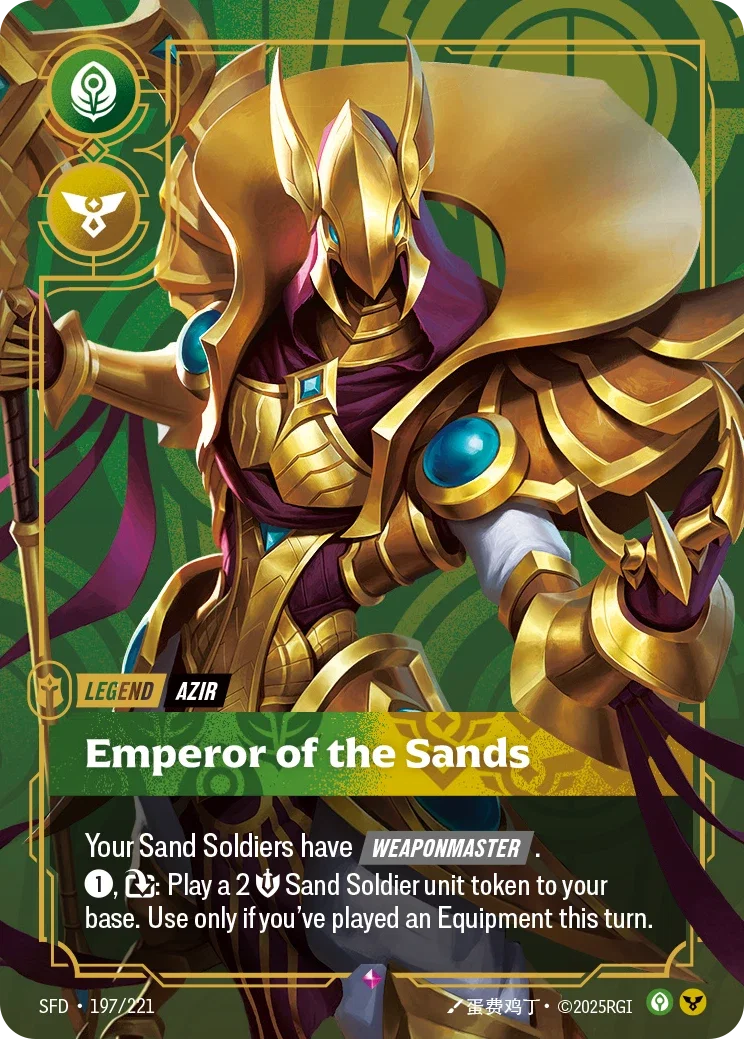
Now, I'd head to PiltoverArchive and filter out cards by
- Yellow and Green
- Gears
- Tag: Equipment

This has narrowed my choices greatly! However, every card can be a 3-of, and since a deck contains 39 cards and a Champion, you could play 13 playsets of 3 in your deck. With that lens, 14 possible options are not that few! Your deck is gaining some shape.
You might want to look at other Azir lists for inspiration and you'll find a lot of cool options other decks play - counterspells, buff spells, hiddens, removal. The world is truly your oyster.
Just bear in mind the key elements of your deck composition which I also expand on more here:
- the Legend
- Main deck, which is 40 cards, including your Chosen Champion
- Sideboard, which is 10 cards
- Battlefields, which is 3 cards
- Rune deck, which is 12 cards
Therefore, you'll also need to find your Chosen Champion, choose Battlefields, find the ratios for Runes, and compose a Sideboard.
I definitely suggest getting your draft list together in some form with you fully aware of all the reasons why you've included certain cards in your deck and then go and play! Iterate on the deck!
First games and tuning
In order to iterate on the deck, you need to play it!
The best way to play Riftbound is definitely against others in person. Find others who are also starting out who may have built decks of their own and go against each other.
Alternatively, you can find your local games store using the Locator app and see what events they organise. You could play in a tournament or a 'learn Riftbound' event.
Last but definitely not least is using some sort of online client like RiftAtlas. This is where you can import or just build your deck and play against others on your PC, laptop, tablet, or even phone.
When playing, I highly suggest taking notes on cards that are over- and under-performing, so you can go back to your lab after such a gameplay session and improve the deck!
Diving Deeper
After your first steps, you'll want to dig even more into the intricacies of Riftbound. Thankfully, there is a lot of content that explains most concepts! Below you can find a couple of articles with hyperlinks that will get you straight to them!