

Composition of a Riftbound deck: Legend, Maindeck, Sideboard, Runes, and Battlefields


Every TCG has its deck restrictions and rules. Today, we will delve into the specifics of a Riftbound deck so that you are fully certain you've registered a legal deck for your next tournament.
If you want to listen to me talk about Riftbound more, visit my YouTube channel here.
Deck Composition overview
When it comes to the deck composition in Riftbound, it does have numerous elements that you need to take care of. They are as follows:
- the Legend
- Main deck, which is 40 cards, including your Chosen Champion
- Sideboard, which is 10 cards
- Battlefields, which is 3 cards
- Rune deck, which is 12 cards
All in all, you will need to prepare 66 cards to play a full game of tournament Riftbound.
The Legend
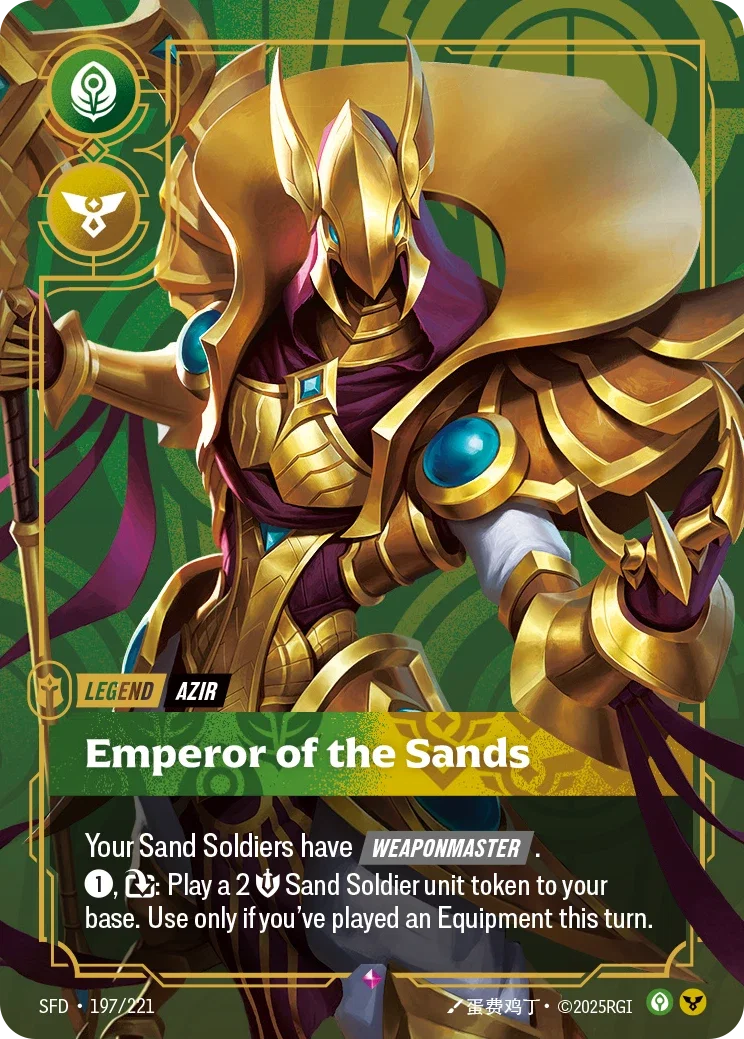
The choice of your Legend is absolutely key, as it's going to dictate the overall strategy and vibe of your deck. Every Legend has a specific ability that is going to affect the game in a special way. As an example, let's take the above-presented Azir, Emperor of Sands. It can make Sand Soldier unit tokens if you've played an Equipment. Therefore, the theme of the deck based on Azir is going to be equipments and tokens.
Moreover, the choice of the legend will dictate which cards you can play, according to the legend's domain. Azir is Calm (green) and Order (yellow). Hence, you can only play cards from these two colours.
There are legends that share domains, but they have completely different abilities, so you can use similar cards if you want in a different flavour like Mel, Diana, and Ezreal.


Main Deck
The main deck has to be 40 cards, including your Chosen Champion.
The cards you choose for the remaining 39 are entirely up to you, with the only real restriction that they need to be in your Legend's domain.
When it comes to the Chosen Champion, it has to correspond to your Legend specifically, not just the colours you are in. Therefore, for your Azir Legend, you can only have Azir Chosen Champion units.


This is also a key part of deckbuilding, since the Champion unit is something you have access to at all times in the game. You can choose to include both in your maindeck and switch them between game one and post-sideboard games - for ultimate mind tricks! However, when you submit your deck, you always have to start game one with your default Champion that you'd indicated at deck registration. When you look through top lists, you will see that there tends to be one clearly above-the-rest Chosen champion for every Legend that most people pick, like in this example the yellow Azir.
Sideboard

Now we go to the sideboard which is 10 extra cards you set aside that you can use after game one. You can freely exchange any cards from the maindeck with the ones from the sideboard, as long as at the end of the process you present a fully legal deck to your opponent. You cannot, then, side out 13 cards but put in 10, as it would result in an illegal maindeck that would contain in this example 37 cards.
Cards in the sideboard tend to be narrower, chosen intentionally to be silver bullet tools against specific opponents. This could be some cards against opposing Gear, some removal for big creatures, or maybe counterspells. Some people even have cards that they only put in when they go first or second!
Battlefields


The next step is to choose 3 battlefields for your deck. Since tournament Riftbound is a Best-of-3 format, if your match comes down to three games, you will have used each of your battlefields, and likewise will your opponent.
There are two main things that you should take into account when choosing your battlefields. The first is how they fit your Legend and overall deck theme. For instance, Abandoned Hall is going to be great if you're a spell-slinging deck. However, remember that the broader the theme of your deck and the more versatile the battlefield, the higher the chance that the opponent will also benefit from it! If you have a very narrow and niche deck with very specific synergies, you might present a battlefield that will be almost blank for the opponent.
The second aspect is that you choose your battlefield for game one without knowing who goes first, and the next two with a good idea (you won game on, you'll go second, you lost so you'll go first). Therefore, you should be a default game one battlefield, a go-first battlefield that benefits you disproportionately when you're the first to conquer, and a go-second battlefield which doesn't benefit the opponent when they are the first to conquer. This is a super deep topic all in itself and adds a ton of strategy to deck building in Riftbound.
An example of a full 3-battlefield setup is the battlefields you can see above. For a hypothetical deck, you could use Zaun Warrens as default since it's unassuming and low-impact for either side, Targon's Peak for going first, and Abandoned Hall for going second.
Rune deck

Rune deck consists of exactly 12 Runes that are all in your Legend's colours, in any ratio that you'd like - even 12 and 0. The most popular is to split evenly 6 and 6, but likewise popular you'll see 7 and 5. The exact ratio will depend on the power costs among the cards in your deck. Thankfully, you can work it out pretty easily mathematically. If you want to read more about Runes and the resource system of Riftbound, check out this piece here.
Logistics
We have our 66 cards now and we're ready to play. However, I have some tips to give you when it comes to the practicality of it all, since at the end of the day all these cards will end up in your deckbox.
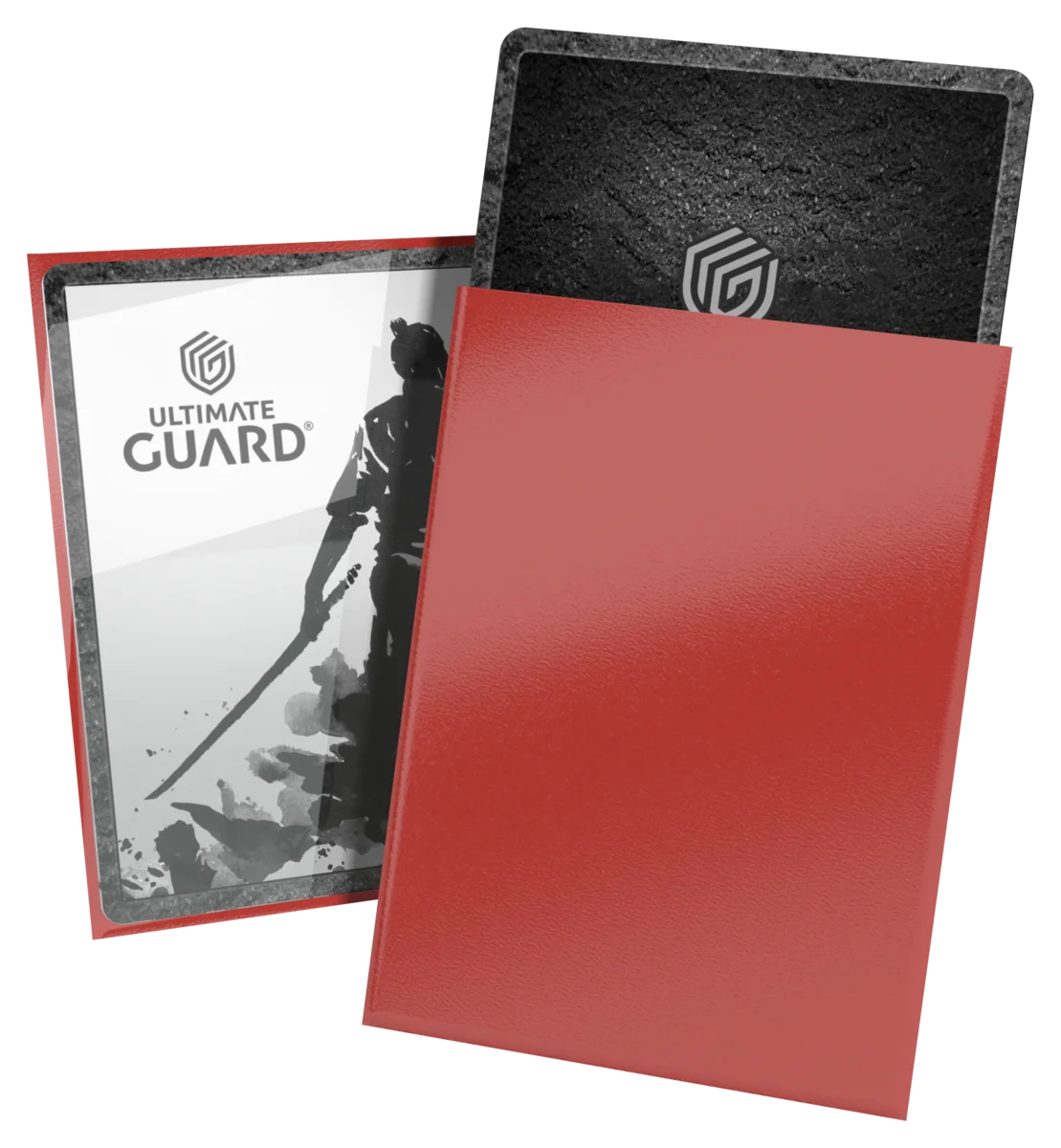
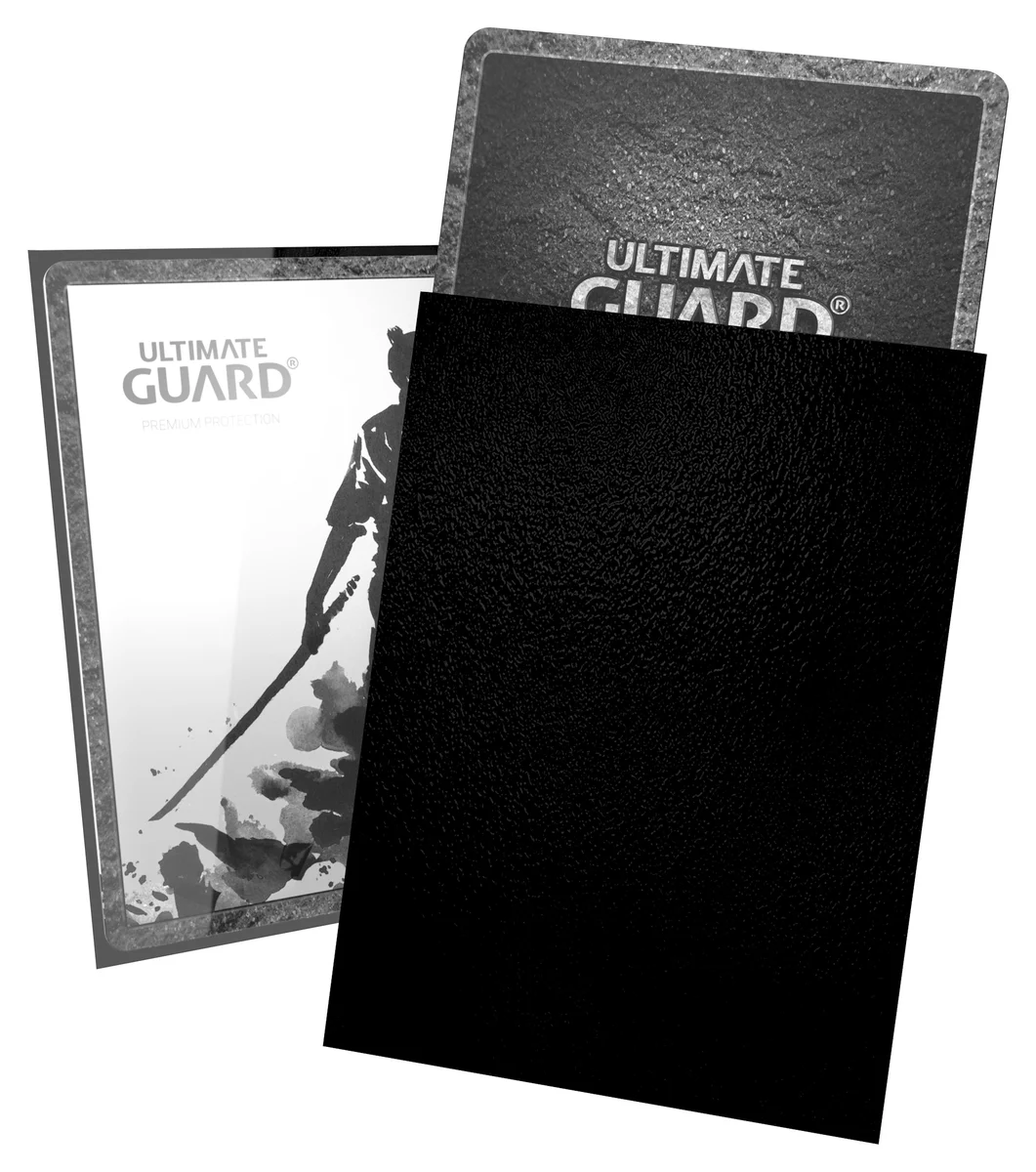
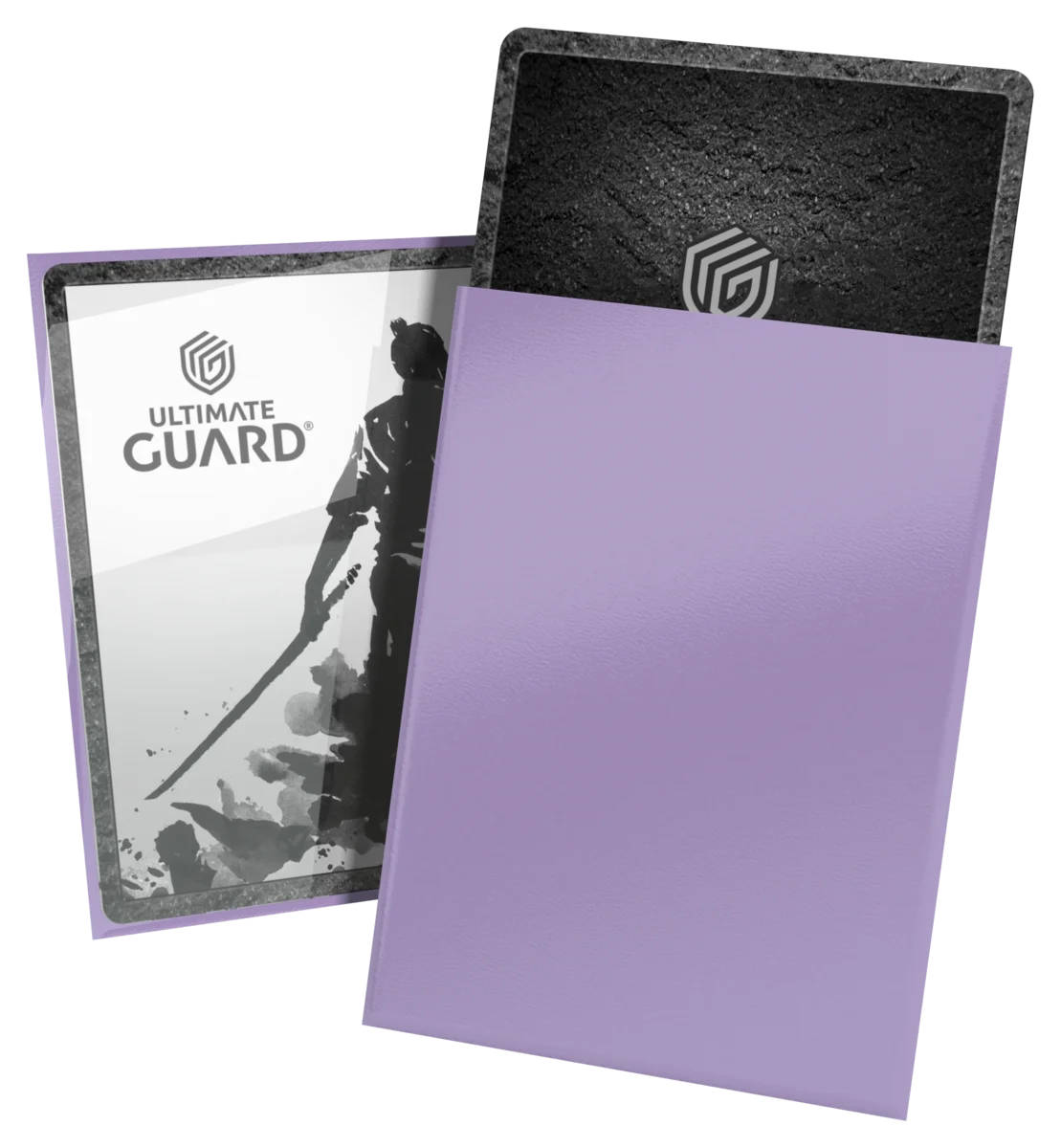
I find it very useful to easily differentiate between those groups of cards, so I tend to use different colour sleeves for each of: maindeck+sideboard, Legend, battlefields, rune deck. I would use 4 different colours of sleeves for the deck. While it does necessitate having those different sleeves to begin with, you might have some laying around from other decks and use them here. It's only the maindeck and sideboard that require 50 sleeves total - that's clean half a pack. The rest is 12 for Runes, 3 for Battlefields, and 1 for Legend which you might be able to assemble from some leftovers from other decks.
This not only allows you to quickly set up for the game, as you know what is what, but you're much less likely to just shuffle your Runes into your main deck and then have issues untangling it.
Conclusion
Your deck is ready for the next Riftbound tournament! I hope this has been useful and be on the lookout for more intro Riftbound content here at Ultimate Guard!